
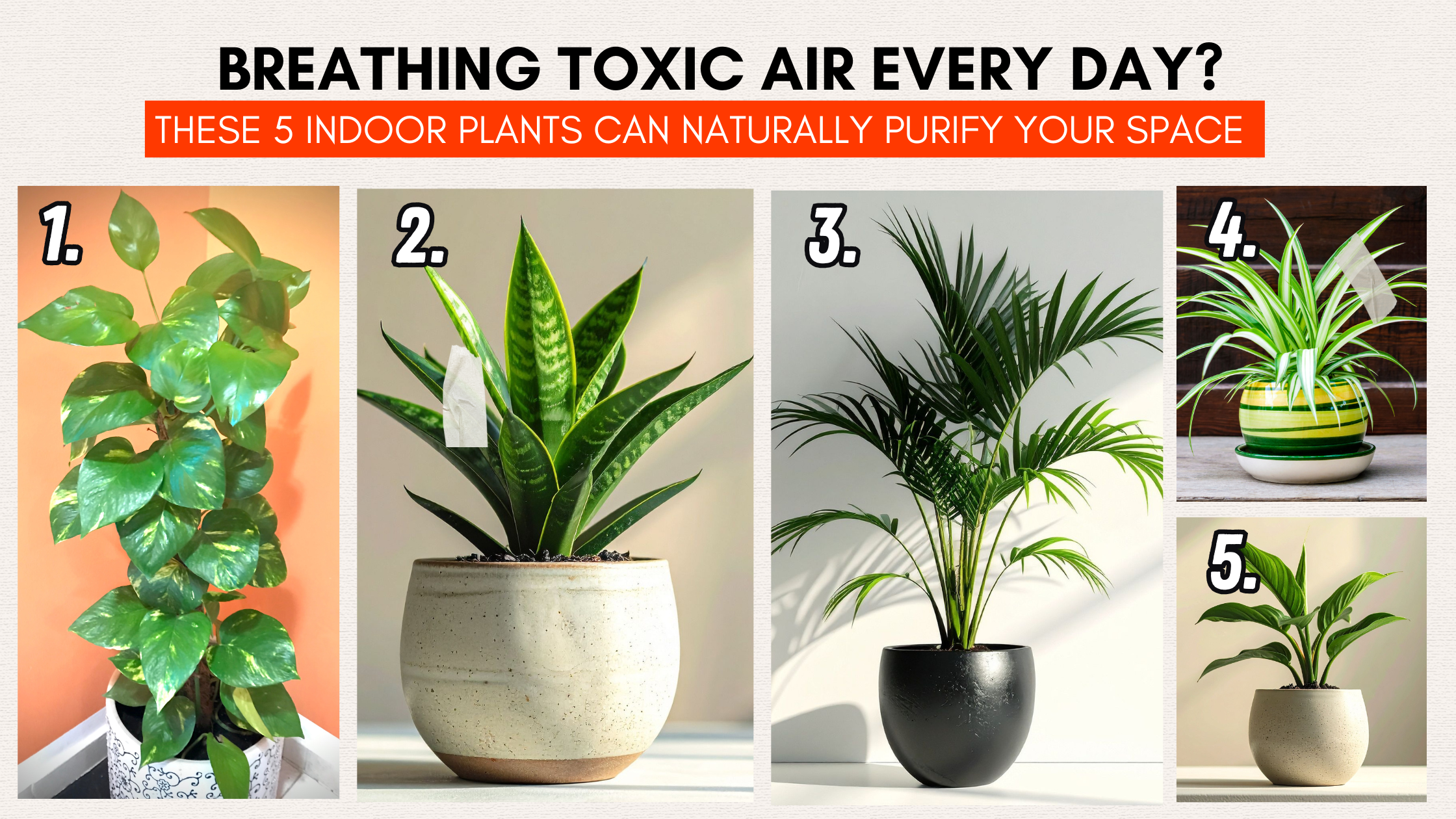
Breathing Toxic Air Every Day? These 5 Indoor Plants Can Naturally Purify Your Space 🌱 Leave a comment
Air pollution is no longer just an outdoor problem. In fact, indoor air often contains higher levels of harmful chemicals due to cooking fumes, cleaning products, furniture, paints, and poor ventilation. Rising AQI levels further worsen indoor air quality, directly affecting lung health, sleep quality, immunity, and overall metabolism.
As a dietician, we emphasize that health is not only about what you eat, but also what you breathe. One simple, natural way to support cleaner indoor air is by adding air-purifying plants to your home or clinic space.
Below are 5 indoor plants that help reduce pollutants like benzene, ammonia, VOCs, and support better oxygen levels.
🌿 1. Money Plant (Epipremnum aureum)
A common yet powerful indoor plant known for its air-cleansing properties.
✔ Health Benefits:
- Helps absorb benzene, formaldehyde & carbon monoxide
- Reduces indoor odors
- Improves air freshness in closed rooms
- Very easy to maintain
📍 Best placed in waiting areas, living rooms, or bedrooms.
🌿 2. Snake Plant (Sansevieria)
Often recommended for bedrooms, this plant releases oxygen even at night.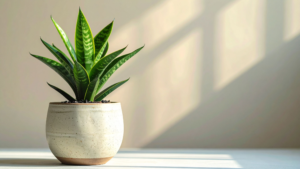
✔ Health Benefits:
- Filters formaldehyde, benzene & VOCs
- Supports better sleep and breathing
- Ideal for people with allergies or respiratory sensitivity
- Requires minimal water and care
📍 Perfect for bedrooms and consultation rooms.
🌿 3. Areca Palm
A natural oxygen booster and indoor humidifier.
✔ Health Benefits:
- Helps reduce indoor air dryness
- Supports respiratory comfort
- Improves oxygen circulation
- Enhances indoor aesthetics
📍 Ideal for clinic reception areas and living spaces.
🌿 4. Spider Plant (Chlorophytum comosum)
One of the safest and easiest plants for homes and offices.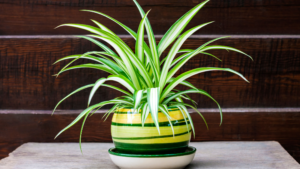
✔ Health Benefits:
- Absorbs carbon monoxide and formaldehyde
- Helps reduce indoor dust
- Non-toxic and child-friendly
- Low-maintenance
📍 Suitable for kitchens, shelves, or clinic desks.
🌿 5. Peace Lily (Spathiphyllum)
A beautiful flowering plant with strong air-purifying abilities.
✔ Health Benefits:
- Reduces ammonia, benzene & VOCs
- Helps control mold spores
- Supports better breathing in enclosed spaces
- Improves humidity levels
📍 Best for bedrooms and washroom-adjacent areas (with indirect light).
✨ Why Clean Indoor Air Matters for Your Health
- Poor indoor air quality is linked to:
- Frequent headaches & fatigue
- Poor sleep quality
- Reduced immunity
- Worsening asthma and allergies
- Hormonal and metabolic stress
Just like a balanced diet nourishes your body, clean air supports cellular health, energy levels, and recovery.
🌱 Final Takeaway from Your Dietician
Indoor plants are not a replacement for medical air purifiers, but they are a simple, natural, and affordable step toward a healthier environment. When combined with good nutrition, hydration, and ventilation, they can meaningfully support overall wellness.
Start with 2–3 plants, place them strategically, and let nature do the rest.
Because good health begins with clean air, mindful eating, and a balanced lifestyle. 💚